
How an Unmortgageable Property in Liverpool Became an Accidental BRRR
A real case study breaking down an unmortgageable property purchase in Liverpool. Agreed at £95k, reduced to £87,500 after survey, financed with bridging, and refinanced at £120k. Full numbers included.
RightValue Team
The Deal at a Glance
| Metric | Amount |
|---|---|
| Original Asking Price | £100,000 |
| Agreed Price | £95,000 |
| Purchase Price (post-survey) | £87,500 |
| Stamp Duty (3%) | £2,625 |
| Cavity Wall Ties | £6,000 |
| Light Refurb | £6,000 |
| Solicitor Fees | £1,000 |
| Bridging Finance Costs | £4,594 |
| Total In | £107,719 |
| Market Value | £120,000 |
| Rent Achieved | £795/month |
This was never supposed to be a BRRR deal. It started as a straightforward buy-to-let that hit a wall halfway through the purchase process. But sometimes the deals you do not plan for turn out to be the ones worth writing about.
Here is how it went.
Finding the Property
This deal was completed in early 2021, before the post-pandemic rental market really took off. The property was a terrace in Liverpool, listed on the market at £100,000. Nothing unusual about it from the listing. Decent area, reasonable condition from the photos, priced in line with the street. We offered and agreed at £95,000.
At that point, everything was on track. Standard buy-to-let mortgage application, solicitor instructed, survey booked. Business as usual.
Then the survey came back.
The Survey That Changed Everything
The surveyor flagged that the property needed cavity wall tie installation. That single finding killed the mortgage application dead.
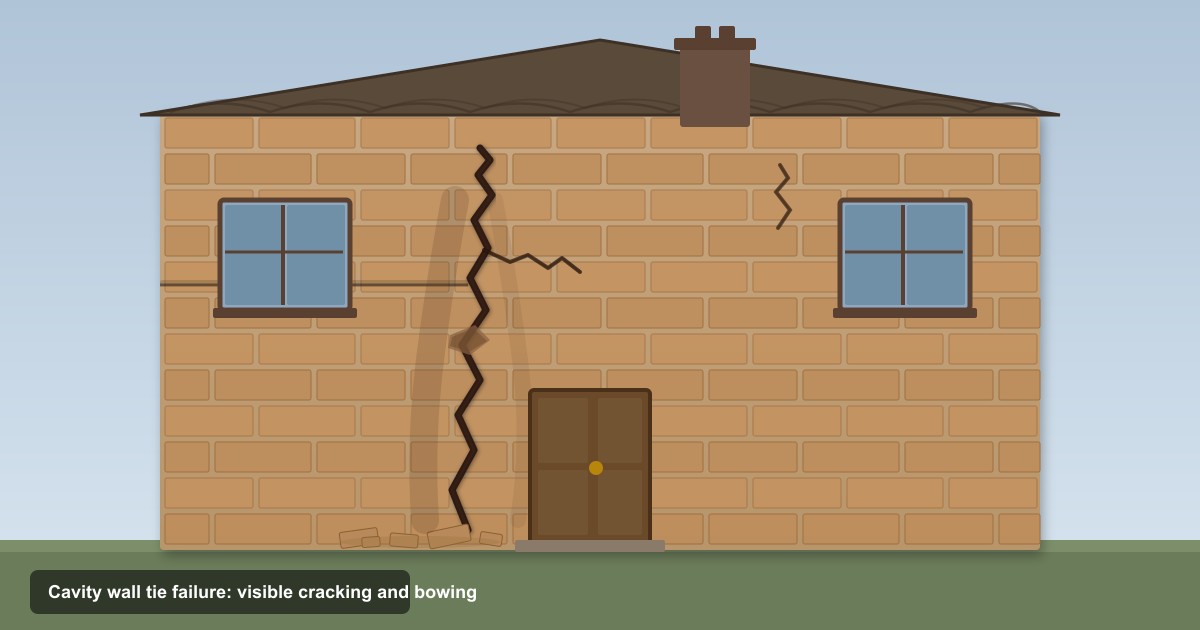
Cavity wall ties are the metal links that hold the inner and outer walls of a property together. Over time they corrode, and once they fail the outer wall can start to bow or separate. No mortgage lender is going to sign that off. The property was officially unmortgageable.
At this point, most buyers walk away. The mortgage has fallen through, the property has a structural flag against it, and the whole thing feels like it has become too complicated. We seriously considered doing the same.
But then we looked at the actual cost of fixing the problem.
A £6,000 Problem on a £120,000 Asset
Cavity wall tie installation is not a major structural project. A specialist contractor drills through the outer wall, installs new stainless steel ties at regular intervals, and makes good. The whole job takes a few days.
The quote came in at around £6,000.
That changed the entire equation. Here was a property with a market value of £120,000 once the ties were installed, and the only reason it was in trouble was a £6,000 fix that sounded far worse than it actually was.
We went back to the seller. The mortgage had fallen through. The property was now flagged as unmortgageable on the survey, which meant any future buyer with a mortgage would hit the same wall. The seller’s pool of buyers had just shrunk to cash purchasers and people willing to use bridging finance.
We renegotiated the price down to £87,500.
Switching to Bridging Finance
With the mortgage dead, we had to find another way to fund the purchase. That meant bridging finance.
Bridging is expensive. There is no way around that. It is designed as a short-term solution, and the costs reflect that. Our terms were:
- 1% per month interest on the loan
- 2% arrangement fee to enter
- 1% exit fee to leave
On a £65,625 bridging loan (75% LTV on the £87,500 purchase price), the costs over four months broke down as:
| Bridging Cost | Amount |
|---|---|
| Monthly interest (1% × 4 months) | £2,625 |
| Arrangement fee (2%) | £1,313 |
| Exit fee (1%) | £656 |
| Total Bridging Cost | £4,594 |
We put down £21,875 in cash as the deposit.
The plan from this point was simple. Complete the purchase, get the cavity wall ties installed, carry out the light refurb, remortgage onto a standard buy-to-let product, and get off the bridging as quickly as possible. Every month on bridging is another 1% eating into the returns.
The Refurbishment
Beyond the cavity wall ties, the property only needed light cosmetic work. Nothing structural beyond the ties, no rewire, no new heating system. Just freshening up to make it tenant-ready.
The scope of work included:
- Cavity wall tie installation by a specialist contractor
- General redecoration throughout
- New flooring in key areas
- Kitchen tidy-up and minor repairs
- Garden clearance and general presentation
Total refurb including the wall ties came to around £12,000. Roughly £6,000 for the ties and £6,000 for the cosmetic work.
For a property that had been written off as unmortgageable just weeks earlier, that is not a lot of money to turn it into a fully mortgageable, tenantable asset worth £120,000.
The Accidental BRRR
This was never planned as a BRRR. The original plan was a straightforward buy-to-let with a standard mortgage. The survey killed that route, bridging finance stepped in as a necessity, and the refurb was driven by the wall tie issue rather than a value-add strategy.
But once we stepped back and ran the numbers through the calculator after the refurb, we realised this had accidentally become a textbook BRRR deal.
Buy. Purchased for £87,500, well below market value, because the unmortgageable label had filtered out the competition.
Refurb. £12,000 in works, primarily the cavity wall ties that were causing the problem in the first place.
Refinance. Remortgaged at 75% LTV on the new market value of £120,000, pulling £90,000 back out.
Rent. Tenanted at £795 per month.
Total invested: £107,719. Amount returned through refinance: £90,000. That left us with £17,719 cash in the deal and a performing rental asset generating income every month.
We had created over £12,000 in equity above what we had spent, and we still owned the property. Not bad for a deal that nearly fell apart at the survey stage.
Getting a Tenant In
One thing that worked heavily in our favour was how quickly we found a tenant. The property was rented within two months of completing the refurb at £795 per month.
This was critical because we were still on bridging finance at that point. At 1% per month, every empty month was costing us £656 in interest alone. Having a tenant in place at month two meant the rent was covering the bridging interest for months three and four while we waited for the remortgage to complete.
Without that early let, the bridging costs would have been significantly more painful. Speed to tenant is always important, but when you are sitting on a bridging loan it becomes absolutely essential.
The Ongoing Numbers
Once we refinanced onto a standard buy-to-let mortgage, the monthly figures settled into a sustainable position.
| Monthly Breakdown | Amount |
|---|---|
| Rent | £795 |
| Professional fees & maintenance (20%) | -£159 |
| Mortgage interest (interest only) | -£412 |
| Monthly Profit | £224 |
On £17,719 cash left in the deal, that works out to an annual return of around 15.2% ROI.
That is a solid return on a deal that was never designed as a BRRR in the first place. Professional fees, maintenance reserves, and the full bridging finance costs are all factored in. No numbers have been hidden to make this look better than it is.
The key point is this: the unmortgageable label did most of the heavy lifting for us. It filtered out the competition, gave us negotiating leverage to bring the price down from £95,000 to £87,500, and created a gap between the purchase price and the true market value that simply would not have existed on a standard listing.
What We Learned
1. A failed survey is not the end of the deal. Most buyers walk away when a mortgage falls through. That is exactly what creates the opportunity. If you can solve the problem that killed the mortgage, you are buying into a situation with almost no competition.
2. Unmortgageable does not mean unfixable. The word sounds terrifying, but the actual issue (cavity wall ties) cost £6,000 to resolve. That gap between perception and reality is where the profit sits.
3. Bridging finance is a tool, not a trap. Yes, it is expensive. Yes, it eats into returns. But used deliberately and for a defined period with a clear exit strategy, the cost is manageable and quantifiable. The mistake is staying on bridging longer than you need to.
4. Speed to tenant matters when you are on bridging. Every empty month on a bridging loan is pure cost with no income to offset it. We prioritised getting the property tenanted as soon as the works were complete, and that decision saved us thousands in holding costs.
5. Not every BRRR needs to be planned from the start. This deal became a BRRR by accident. The structure emerged naturally because the fundamentals were right. We bought below market value, added value through a defined fix, refinanced, and held. The strategy works whether you planned it from day one or stumbled into it.
Where It Stands Today
The deal completed in early 2021. At the time, £795 per month was the going rate for the area and the property let quickly at that figure.
Four years on, the rental market in Liverpool has moved significantly. The same property would now comfortably achieve around £1,000 per month. That is over £200 more every month than we were getting at the start, on the same asset, with the same cash left in.
At £1,000 rent the monthly numbers look even better:
| Monthly Breakdown (Today) | Amount |
|---|---|
| Rent | £1,000 |
| Professional fees & maintenance (20%) | -£200 |
| Mortgage interest (interest only) | -£412 |
| Monthly Profit | £388 |
That is a return of around 26.3% ROI on the £17,719 still in the deal. The asset has done exactly what a good buy-and-hold property should do: grown its income over time while the capital base stays fixed.
This is the part that rarely gets talked about when people run BRRR numbers. The initial ROI is just the starting point. If you buy in the right area and hold, the yield on your actual cash invested keeps improving as rents rise.
Would We Do It Again?
Without hesitation.
Unmortgageable properties are one of the few areas where genuine below-market-value purchases still exist in the current market. Most investors scroll straight past them. Most owner-occupiers cannot buy them even if they wanted to. That lack of competition is the entire point.
The bridging finance adds cost, but if you can get in, fix the issue, and refinance quickly, the numbers work. This deal proved that. A £6,000 fix turned an unmortgageable property into a £120,000 asset that started at £795 a month in rent and is now pushing £1,000.
If you are browsing listings and see a property flagged as unmortgageable, do not scroll past it. Find out why. Get a quote for the fix. Run the numbers. It might be the best deal on the page.
Want to run your own deal numbers? Try our property deal calculator to see how your next investment could stack up.
Stay in the loop
Get property investment tips and RightValue updates. No spam, unsubscribe anytime.